
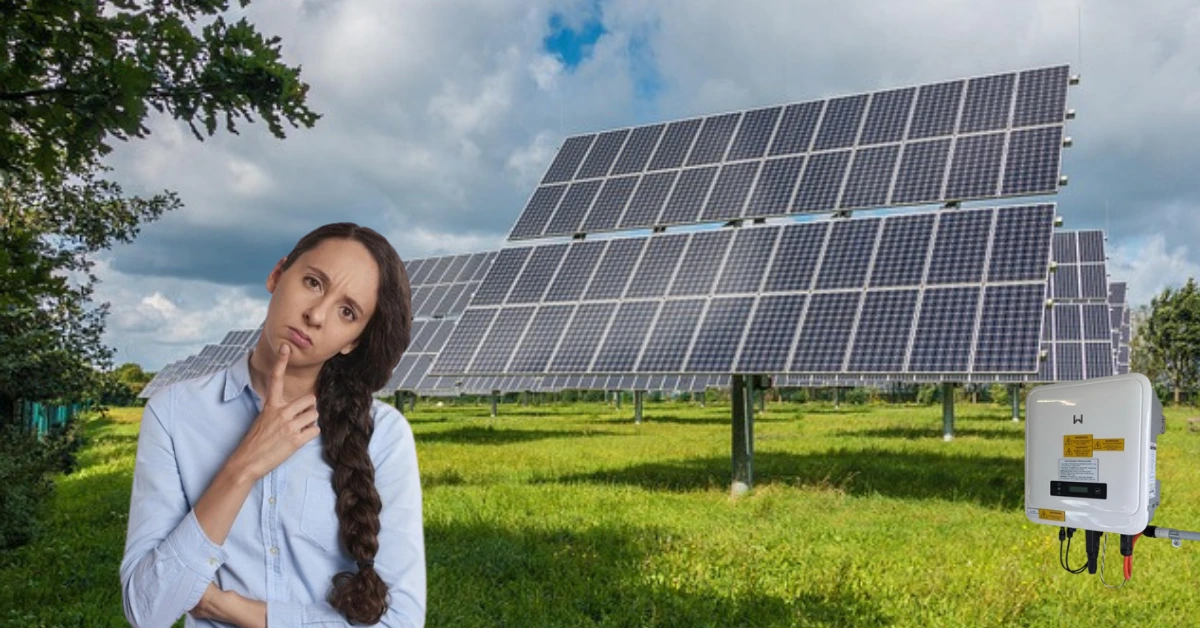
Solar Expert Answers the Questions Victorians Have
Every week, Green Electric Solutions fields dozens of questions from Melbourne homeowners across suburbs like Craigieburn in the City of Hume, Pakenham in the City of Cardinia, Tarneit in the City of Wyndham, and Berwick in the City of Casey — all trying to understand solar before committing. These aren’t generic questions; they’re specific to Victorian electricity tariffs, the STC rebate step-down schedule, Solar Victoria approval requirements, and how different suburb postcodes affect system performance in winter. Our SAA-certified, NET-approved team based in Altona has completed 10,000+ installations across Melbourne’s growth corridors and regional Victoria — and in this guide, we’re answering the real questions we hear every day from Victorian homeowners considering solar or battery storage in 2026.
Let’s break it all down.
Q: How many kW does my home actually need?
Don’t totally depend on what a salesperson suggests — your actual energy usage matters.
Someone who works from home needs a different system than someone who’s out all day.
Example:
Sarah from Craigieburn was offered a 6.6 kW system because “it’s the standard.”
But when she came to us and we checked her bills, we realised her home used more power at night.
An 11 kW system with a battery made far more sense — and now she barely pays a bill.
Q. Is solar in Victoria worth it?
Yes — Victoria is still one of the best places in Australia to go solar.
STC rebates alone cut costs by around $2,800–$4,000, and eligible homeowners can get an extra $1,400 off through Solar Victoria. Electricity rates are high in VIC, so most families see a payback in just 3–5 years. Modern panels also perform well even in winter.
Example:
A typical family in Melbourne installing a 6.6 kW system often slashes their bill by 60–80%. If they add a battery, it usually jumps to 80–90%, especially during evening peak times.
Q. What is the 20% rule for solar panels?
The “20% oversizing rule” simply means your solar panels can be a bit bigger than your inverter — up to 20% more. This is actually a good thing for most homes.
Example:
If you install a 5 kW inverter, you can safely add up to 6 kW of solar panels. So even on cloudy winter mornings in Victoria, your system can still produce strong output because the panels are working harder to feed the inverter.
In short, a slightly oversized panel setup gives you more energy and better savings without extra complication.
Q. What is the biggest downside to solar electricity?
The biggest downside of solar is that it only works when the sun is out. Cloudy days reduce output, and at night you still rely on the grid unless you have a battery.
Example:
If most of your energy use happens in the evening, solar alone won’t cover it — a battery setup helps store daytime energy for later.
Other downsides include upfront costs, lower feed-in tariffs, and cheap systems wearing out early.
Still, most Victorian homes save more than they spend, so the benefits usually outweigh the drawbacks.
Q. Why are people getting rid of their solar panels?
A small number of homeowners end up removing their solar panels, and it’s usually for practical reasons — not because solar stopped working. Older systems (10–15 years) often produce far less than today’s modern panels, and with current rebates, upgrading can be cheaper than repairing. Some people also remove panels due to poor-quality installations from the early solar boom, or because they’re renovating, extending, or re-roofing their home. Others upgrade to a bigger system or add a battery, which sometimes requires a full reconfiguration.
In most cases, panels are removed because people are upgrading — not because solar failed.
Green Electric Solutions: Your Solar Partner
At Green Electric, we make solar simple for Victorian homeowners. From choosing the right panels to understanding batteries and cutting electricity bills, we explain everything in clear, practical terms. Our expert guidance helps you make smarter solar decisions and get the most value from your system.
Q. What happens to solar panels in a storm?
Quality solar panels are built for tough weather — they can handle hail, strong winds, heavy rain and are protected against lightning. In big storms, panels usually stay fine, though the inverter might shut down briefly for safety. The only real risk is large hail cracking a panel, and that’s typically covered by insurance.
Example:
After the 2023 Victorian hailstorm, many homes had dented roofs and broken skylights, but the majority of solar panels in affected suburbs didn’t crack. Only panels hit by golf-ball–sized hail needed replacing — and homeowners were able to claim it through insurance.
Q. What is the solar 120% rule?
According to electrical standards (AS/NZS 3000), there’s a rule for adding solar to your home switchboard: the combined current from your solar system plus the grid shouldn’t go over 120% of your main breaker’s rating.
In simple terms, this just means there’s a limit to how much solar electricity you can feed back into your home or the grid.
For example, if your main breaker is rated at 50 amps, your total solar and grid current shouldn’t exceed 60 amps (50 × 1.2). If your switchboard is older or smaller, you might need an upgrade before installing more solar panels. This rule keeps your home and the electricity network safe from overloads.

Q. Is 7 kW enough to run a house?
For many Victorian homes, yes—7 kW is sufficient, especially if:
- Your daytime usage is moderate.
- You’re a 2–4 person household.
- Your home uses gas heating, hot water, or cooking.
But larger homes or all-electric homes may benefit from 10 kW or more, especially if you plan to add:
- An EV charger
- Reverse-cycle heating
- A battery
Average Victorian home usage: 15–22 kWh per day
A 7 kW system produces around 24–30 kWh/day in summer and 12–18 kWh/day in winter.
Q. How much should I pay to install solar panels?
Typical Solar System Prices in Victoria (after STC rebates):
- 6.6 kW system: $4,500 – $7,000
- 7–8 kW system: $5,500 – $8,500
- 10 kW system: $7,000 – $11,000
Price differences:
- Premium panels like Canadian, SunPower, or REC sit at the higher end.
- Basic Chinese brands are usually cheaper.
⚠️ Tip: If a quote looks too cheap, it probably is—sometimes corners are being cut.
Example: Two homeowners want a 7 kW system. One chooses premium SunPower panels with a new inverter and a battery; their quote is $8,500. The other goes for basic Chinese panels with no battery and an old switchboard; their quote is $5,500. Both will generate solar power, but the long-term efficiency, reliability, and potential savings are very different.
Q. Why is my electricity bill so high with solar panels in Australia?
- High evening electricity use—your solar isn’t producing at night.
- System too small—the panels don’t generate enough for your household needs.
- Low self-consumption—running appliances mostly at night instead of during the day.
- Low feed-in tariffs (FITs)—exporting extra energy to the grid earns very little.
- Equipment issues—faulty inverters or underperforming panels.
- Electricity plan changes—many retailers have cut FITs recently.
What you can do to improve savings:
- Shift usage to daytime—run washing machines, dishwashers, or EV charging when the sun is out.
- Add a battery—store excess solar for evening use.
- Increase your solar system size—generate more energy to cover household needs.
- Service your system—make sure everything is working efficiently.
- Re-evaluate your electricity plan—choose one that suits your solar output and usage.
Example: Alexa has a 6 kW system but uses most of her electricity in the evening. By running her dishwasher and washing machine during the day and adding a small battery, she cut her electricity bills by 40% more than before.
Q. Do solar panels work during winter?
Yes—but with reduced production.
In Victoria’s winter, expect 30–50% lower output than summer.
However:
- Panels actually perform better in cold temperatures.
- Cloudy days still generate 10–40% of capacity.
- Oversizing your solar array boosts winter performance.
Winter doesn’t stop solar—it just requires smart system design.
Q. Who has the best solar tariff in Victoria?
- FITs change often, but currently, 1st Energy, GloBird, and Amber Electric are known for competitive options.
- Most plans pay 5–12 c per kWh for exported solar energy.
- Some premium FIT plans offer 10–15 c per kWh, but usually come with higher electricity usage rates.
Key insight: The highest FIT doesn’t always mean the best deal. What really matters is the lowest overall electricity cost.
Example: Two neighbors both have 6 kW solar systems. One chooses a plan with a 12 c FIT but high daily charges and peak rates; the other chooses a plan with a 7 c FIT but much lower overall rates. After a year, the second neighbor actually saves more money despite the lower FIT.
Q. What is the biggest problem with solar power?
The biggest challenge is that solar generation doesn’t always line up with when people use energy.
Most households use the most electricity in the evening, but solar peaks at midday.
This mismatch leads to:
- High exports at low feed-in rates
- Evening grid reliance
- Lower-than-expected bill reductions
This is why batteries are becoming increasingly popular—they solve the timing gap.
Q. What to know before buying solar?
- Bigger systems offer better long-term value.
- Panel quality varies enormously — don’t just buy cheap.
- Your roof orientation matters (north is best, but east/west performs well too).
- STC rebates are decreasing every year.
- A battery is optional but future-proofing your system helps.
- Installation quality is just as important as panel brand.
- Get a performance estimate so you know what to expect month-by-month.
The more informed you are, the better your investment will perform.
Contact Us
Please select a form