
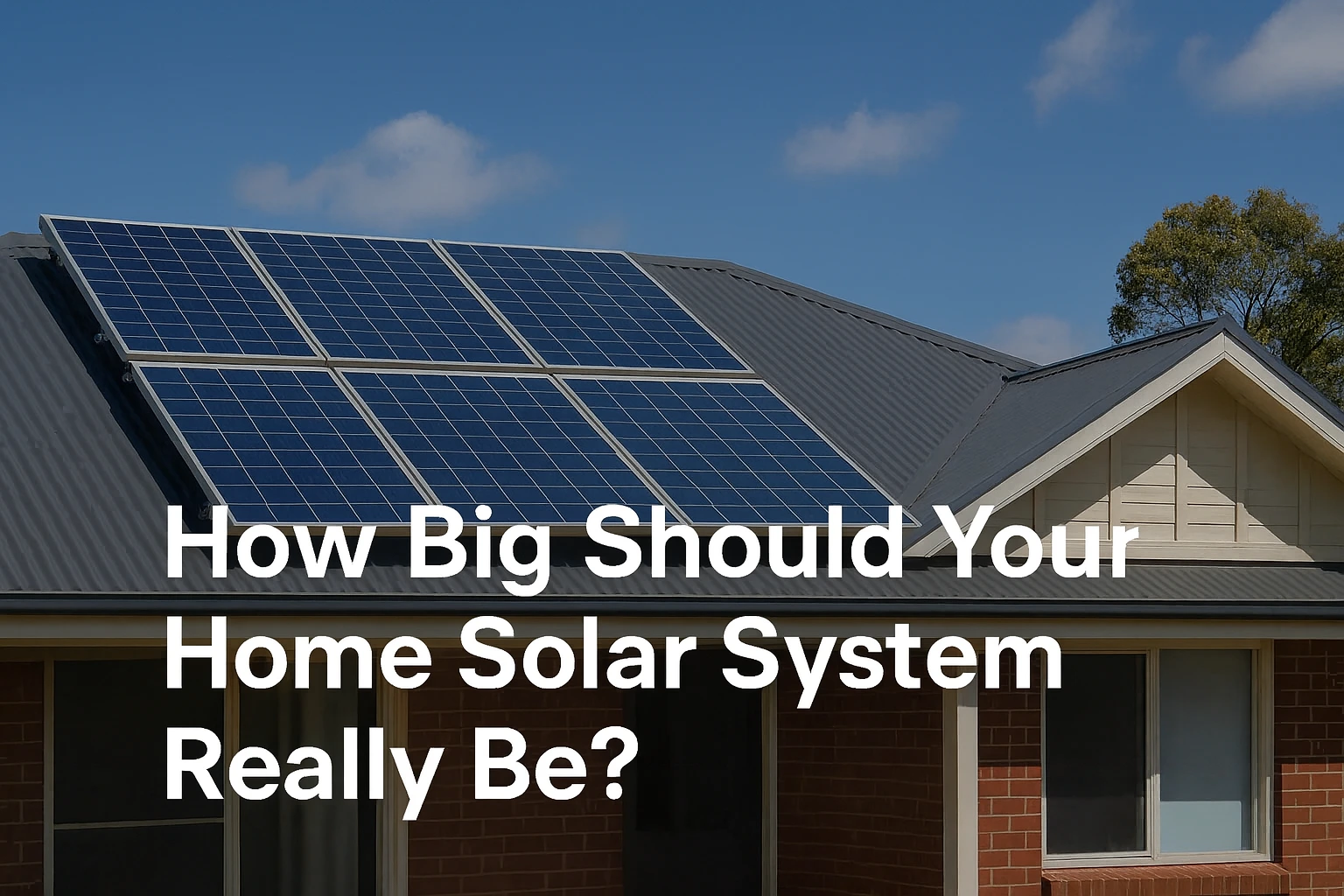
Victorian homeowners across Melbourne’s western and northern growth corridors — from Werribee and Hoppers Crossing in the City of Wyndham, to Tarneit, Craigieburn, and Doreen in Whittlesea — are now regularly installing 10kW, 13kW, and even 16kW solar systems, not the 6.6kW systems that were standard five years ago. Larger homes, more air conditioners, EV chargers, and heat pumps have changed what “right-sized” actually means in Victoria. Green Electric Solutions — SAA-certified, CEC-accredited, and New Energy Tech approved, with 10,000+ installations completed across Melbourne and regional Victoria — has designed and installed solar systems for thousands of households across every major Melbourne suburb. This guide uses real Victorian household data to show you exactly how to size your system correctly the first time.
What Size Solar System Do You Actually Need
System Size Based on Home Type & Usage
| Home Type | Typical Daily Usage | Common Appliances | Recommended System Size | Why This Size Works |
| 1–2 Bedroom Home | 8–12 kWh/day | LED lights, single fridge, washing machine, TV, 1 split AC | 5–6.6 kW | Covers daytime use + keeps bills low without oversizing. Ideal for small homes with stable usage. |
| 3–4 Bedroom Family Home | 15–22 kWh/day | 2–3 split ACs, dishwasher, dryer, extra fridge, daily cooking | 8–10 kW | Most families underestimate usage. 10kW gives comfort, flexibility & supports future appliances. |
| Large 4–5 Bedroom / High-Usage Home | 25–35+ kWh/day | Multiple ACs, pool pump, EV charger, home office equipment | 13 kW or higher | Handles morning + evening peaks. Best long-term value for large homes with rising usage. |
System Size Based on Your Electricity Bills
| Quarterly Bill Amount | Estimated Daily Usage | Ideal System Size | Reasoning |
| $280–$450 | 14–20 kWh/day | 8–10 kW | You need a system that offsets both daytime & part of evening usage. Smaller systems won’t cut the bill enough. |
| $500–$800+ | 24–35 kWh/day | 10–13 kW+ | High usage means more appliances + longer operating hours. A bigger system protects you from rising tariffs. |
How Roof Direction Affects Required System Size
| Roof Direction | Output Efficiency | Size Adjustment Needed | Why |
| North-Facing | Highest (ideal) | No size increase needed | Produces the most sunlight throughout the day. |
| East/West | Medium | Add 1–2 kW | You get more morning + evening power, but mid-day production is lower. |
| South | Low | Add 2–3 kW | Least optimal exposure; needs extra panels to compensate. |
Appliance Load & Impact on Solar Size
| High-Usage Appliances in Your Home | Impact on Solar Size | Recommended System |
| 0–2 major appliances | Low impact | 6.6–8 kW |
| 3–4 major appliances | Medium impact | 8–10 kW |
| 5+ appliances (ACs, pool, EV, dryer) | High impact | 10–13 kW+ |
Real Home Example: 6.6kW vs 10kW vs 13kW (East/West Roof, $520 Bill)
| System Size | Daytime Coverage | Grid Power Needed | Winter Performance | Battery-Ready? | Long-Term Value |
| 6.6kW | Covers basic daytime use | Buys 40–55% from grid | Weak | ❌ Not ideal | Low — high regret risk |
| 10kW | Covers main appliances comfortably | Buys 40–55% from the grid | Moderate | ✔ Good | High — solid balance for families |
| 13kW | Covers full usage + future loads | Buys 20–30% from the grid | Strong | ✔✔ Best for battery | ⭐ Highest — future-proof for 20–25 yrs |
Expert Pick for This Home is 13kW
Why? The home will likely add an EV, battery, or second AC — so future-proofing saves thousands.
Green Electric Solution
Green Electric Solution has been supporting Victorian homeowners for over 5 years, helping families navigate rising energy bills, changing rebates, and smarter solar choices. With deep local expertise, they design right-sized solar and battery systems that deliver real savings for 20–25 years—without overselling or guesswork. Their strong understanding of Victorian tariffs, roof conditions, and household usage ensures systems that perform in real life. In a crowded market, Green Electric earns trust by focusing on long-term value, transparency, and true energy independence for Victorian homes.
Do You Need a Battery? (Clear, Honest Answer)
One of the biggest questions Victorian homeowners ask is:
Should I get a battery now, or wait?
The truth is simple:
✔ A battery can dramatically reduce your bills
✔ But it is not financially ideal for every household right now
✔ And the right battery size depends heavily on your usage and your solar system size
This section gives you a clear, honest breakdown — based purely on facts, Victorian energy tariffs, and real homeowner savings
You Use Most Power in the Evenings
This is the #1 factor.
Most Victorian families have their highest energy usage between 4pm–10pm, when:
- Cooking happens
- Heating/cooling runs
- Showers and laundry occur
- Kids are home using devices
Peak tariffs during these hours can be 38–45c/kWh, while solar exports earn only 4–6c/kWh.
Pain point:
- You’re buying expensive power at night while selling cheap power during the day.
- A battery flips this upside down — letting you keep your solar energy for yourself
You have a 10kW–13kW Solar System
Batteries work best with larger solar systems because they charge faster and more consistently, especially in winter.
FACT:
Most Victorian homes with 6.6kW systems struggle to fully charge a battery in winter.
A 10–13kW system solves this problem
You Want Protection From Blackouts
Victoria experiences localised outages, especially in:
- new estates
- older suburbs with ageing infrastructure
- storm-prone areas
Only batteries with backup functionality (like Tesla Powerwall, Sungrow, Alpha ESS) can keep critical circuits running
You’re Planning an EV in the Next 3–5 Years
- EV charging at night is a massive bill increaser.
- A battery can supply 20–60% of your EV charging needs, depending on size
You Want Predictable Bills for the Next 15+ Years
Electricity prices rise every year, but battery savings remain consistent. Batteries help you control your evening costs when tariffs are highest
When You Shouldn’t Buy a Battery Yet
Batteries are amazing — but not for everyone right now.
A battery might NOT make sense if
Your Solar System Is Too Small (Under 6.6kW)
You won’t generate enough excess energy to charge a battery fully.
A battery would sit at half charge on many winter days.
Your Daily Usage Is Under 10–12 kWh/day
- Low-usage homes don’t save enough to justify the upfront battery cost.
- You will export more power than you use — and while a battery helps, the payback becomes too long
You’re Struggling With Budget in 2025
- A good battery (10–13 kWh usable) costs $7,500–$14,000 after rebates.
- If stretching your budget makes you uncomfortable, it’s wiser to install a bigger solar system first and add a battery later
You Have a South-Facing Roof With Low Solar Output
Your system may not produce enough excess, especially in winter.
Again — solar upgrade first, battery later
Typical Battery Sizes for Victorian Homes (10–40 kWh)
Most homeowners don’t know what battery size they actually need.
Here’s the breakdown:
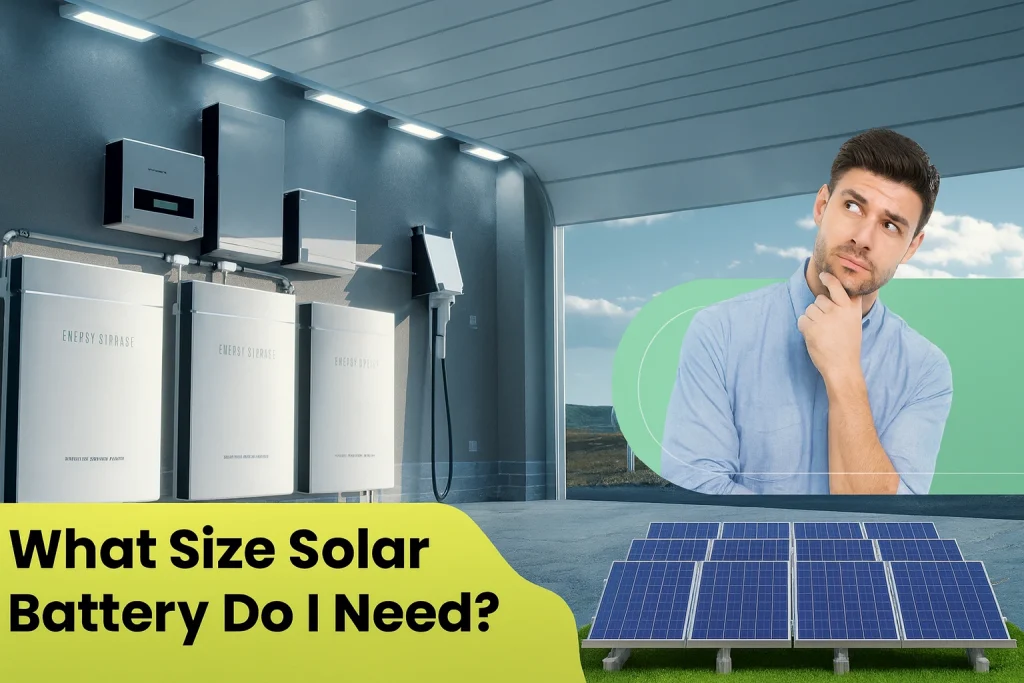
| Home Type / Usage | Typical Evening Consumption | Ideal Battery Size |
| 1–2 bedroom home | 5–7 kWh | 10 kWh |
| 3–4 bedroom family | 8–12 kWh | 10–15 kWh |
| High-usage home (pool, 2 ACs) | 14–20 kWh | 15–20 kWh |
| Home with EV | 20–30+ kWh | 20–40 kWh |
FACT:
Victorian families often underestimate evening usage.
Devices + cooking + heating/cooling = fast battery drain.
- A battery that’s too small results in:
- running out before 9 pm
- still buying expensive peak electricity
- Reduced long-term savings
Sizing correctly from the start is key.
Example Savings From a Real Victorian Home
Home Profile
- 4-bedroom home in Cranbourne
- 2 adults + 2 kids
- Daily usage: 24–28 kWh
- 13kW solar system
- 13.5kWh Tesla Powerwall
- Peak tariff: 42c/kWh
- Feed-in tariff: 5c/kWh
Before Battery
- Quarterly bill: $480–$620
- Exporting ~60% of solar power
- Buying expensive evening power daily
After 13.5kWh Battery
- Quarterly bill: $120-$200
- Nighttime grid usage dropped by 85%
- Battery covers 4 pm–11pm most days
- Backup power during storm outages
Annual Savings
$1,400–$1,900 per year
(depends on usage + tariff changes)
Payback Period
6–9 years, depending on export rules and tariff plan
Why this works:
A 13kW solar system consistently charges the battery → even in winter, battery stays 50–100% full
You should consider a battery if
- You use the most power at night
- You have (or plan) a 10–13kW system
- Your electricity bill is consistently $450+
- You want blackout protection
- You plan to add an EV soon
You should wait if
- Your solar system is small
- Your usage is very low
- Budget is tight
- Your roof orientation limits production
Battery Decision Comparison Table (Victoria – 2025)
| Scenario / Factor | Battery Makes Sense | Battery Does NOT Make Sense Yet |
| Your Daily Usage | 20–35+ kWh/day → Evening heavy | Under 12 kWh/day → Mostly daytime |
| Quarterly Bills | Above $450–$900 → Large night usage | Below $250 → Not enough night demand |
| Feed-in Tariff | Low FiT (3–5c) → Better to store solar | Higher FiT deals (rare) |
| Power Outages in Your Area | Frequent outages → Need backup | Rare outages → No urgent need |
| Roof Size / Solar Size | 10kW+ solar installed → Plenty to charge battery | Under 5kW solar → Battery won’t charge efficiently |
| Future Plans | Planning EV, all-electric home, heat pump, induction cooking | No major lifestyle or appliance changes expected |
| Financial Payback | 7–10 years (high usage homes) | 12–15+ years (low usage homes) |
| Night-Time Usage | AC/heating, cooking, hot water, EV charging at night | No heavy appliances used at night |
| Budget | Can afford $7,000–$14,000 investment | Budget tight → Solar only gives best ROI |
| Longevity Plan | Staying in home 7+ years | Selling home soon |
| Main Benefit | Lower bills, blackout protection, huge long-term savings | Solar alone gives faster payback |
Typical Battery Sizes for Real Victorian Homes (Quick Guide)
| Home Type | Usage Profile | Recommended Battery Size |
| 1–2 bedroom, light usage | 8–12 kWh/day | 5–10 kWh |
| 3–4 bedroom family | 15–25 kWh/day | 10–15 kWh |
| Large 4–5 bedroom / high usage | 25–35 kWh/day | 15–20 kWh |
| EV owners / all-electric homes | 30–50+ kWh/day | 20–40 kWh |
Real Example: Battery vs No Battery (Victoria – 2025)
| Scenario | 10kW Solar Only | 10kW Solar + 13kWh Battery |
| Annual Bills | ~$1,050 | ~$250–$350 |
| Grid Usage | 45–55% | 5–15% |
| Feed-in Benefit | Small due to low FiT (3–5c) | Higher savings because solar is stored |
| Backup During Outage | ❌ No | ✅ Yes (4–10 hours depending on load) |
| 10-Year Saving | ~$12,000–$15,000 | ~$22,000–$28,000 |
| Best For | Budget-conscious homes | Families planning long-term savings |
FACTS for Victorian homeowners
- Solar panels produce most power between 10 am–4 pm
- Cloudy days still generate 20–40% of the usual output
- Winter production drops by 25–45%, depending on your roof direction
- Modern panels are designed to handle cold, windy Victorian weather efficiently
Pain point solved: Many homeowners worry solar “won’t work in winter.”
The reality?
Solar still generates meaningful power year-round, and a correctly sized system (10–13kW for most families) easily compensates for winter dips.
Battery (Optional) → Stores Excess Energy
This is where the biggest savings kick in.
A battery handles your:
- evening usage
- nights
- grid outages
- peak tariff periods
A larger solar system (10–13kW) charges a battery faster and more consistently, especially in winter
In Summary
- Solar works in Victoria — but you must size it correctly due to winter dips and low FiTs.
- A bigger system (8–13kW) is usually smarter for long-term bill control.
- Victoria’s climate and rules make “old-school 6.6kW systems” obsolete for most families.
- Batteries are becoming more valuable due to peak tariffs and grid issues.
- STC reductions mean waiting will cost more.
Contact Us
Please select a form